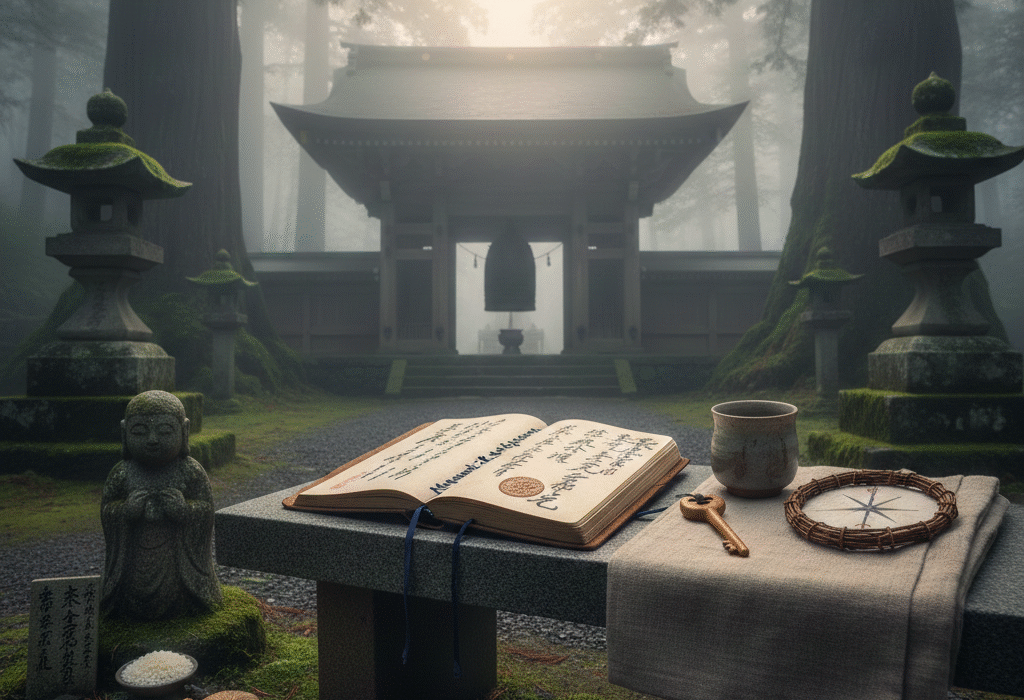
Mount Kōyasan Japan 2026: An Alternative Pilgrimage for True Spiritual Awakening.
Posted in :

Introduction: Where the Sacred Forest Meets the Modern Soul.
Our article discusses another enjoyable adventure: Mount Kōyasan, Japan 2026). Located in Wakayama, a city renowned for its misty mountains, this experience offers tranquility and contemplation, far removed from the hustle and bustle of Tokyo and Kyoto. Time seems to slow down, and you discover your true self. This sacred mountain was founded in 816 AD by the famous Buddhist monk Kokai, also known as Kobo Daiichi. It has been the headquarters of the Shingon Buddhist sect for over 1200 years, managing temples, sacred sites, and enlightenment practices.
This mountain is not only a sacred spiritual sanctuary but also a global haven for those seeking contemplation and relaxation. This type of tourism is highly sought after today, offering a departure from routine travel, as these experiences allow people to rejuvenate their energy and discover their true potential. In this article (Mount Kōyasan Japan 2026), we will provide you with a comprehensive and detailed guide to Mount Koyasan, Japan, offering an accurate, ethical, spiritual, and realistic description of a site considered a pilgrimage destination by the local people. We draw on information from the Koya Shingun sect, the Japan National Tourism Organization, and local monks to take you beyond simply showcasing tourist attractions. We will highlight the common rituals and practices that make Koya a life-changing experience.
This guide is suitable for spiritual travelers, culturally interested travelers, and those seeking peace and tranquility.
1. Why Mount Kōyasan, Japan 2026, Is a Beacon for Modern Pilgrims
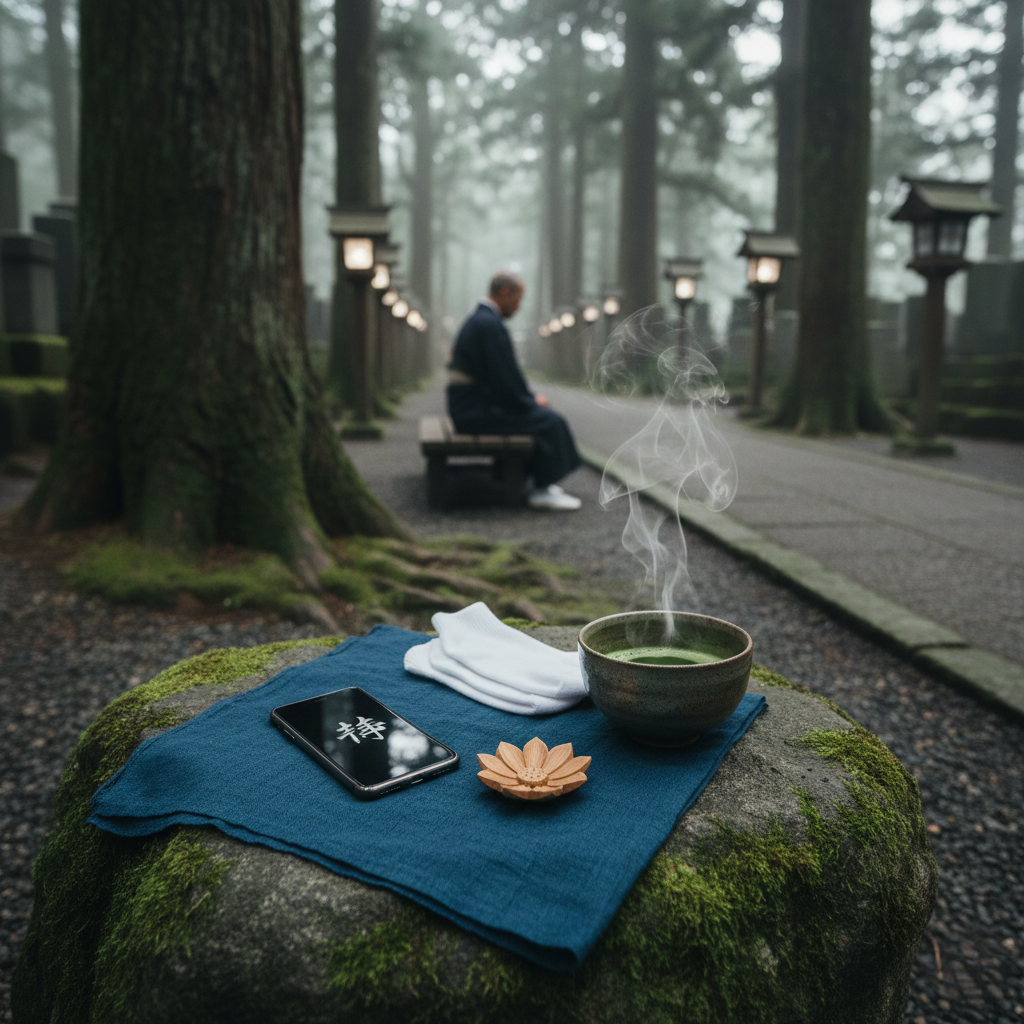
Why Mount Koyasan in Japan is a Beacon for Modern Pilgrims:
- Mount Koyasan is a UNESCO World Heritage Site in Japan, but it is also a sacred religious site, home to numerous temples and shrines. The area boasts over 100 temples and thousands of tombs containing the remains of samurai and former emperors. The local population continues to practice religious traditions dating back approximately 1200 years. In response to the growing desire for a spiritual journey, the authorities have implemented several changes, including:
- First: Focusing on Disconnection from Technology: Accommodation within the temples is provided with limited Wi-Fi to encourage visitors to disconnect from technology and focus on meditation.
- Second: Visitor Education: Multilingual guides are available to explain religious rituals and traditions to visitors.
- Third: Sustainability: Numerous measures have been taken to ensure sustainability, environmental friendliness, and waste reduction at the sacred sites.
Kōyasan is not a museum—it’s a mirror. What you seek, you find within.”
— Rev. Shōjun Takeda, Head Priest, Eko-in Temple, 2025
This commitment to authenticity makes Mount Kōyasan Japan 2026 a rare refuge for true seekers.
2. The Heart of Kōyasan: Three Sacred Sites
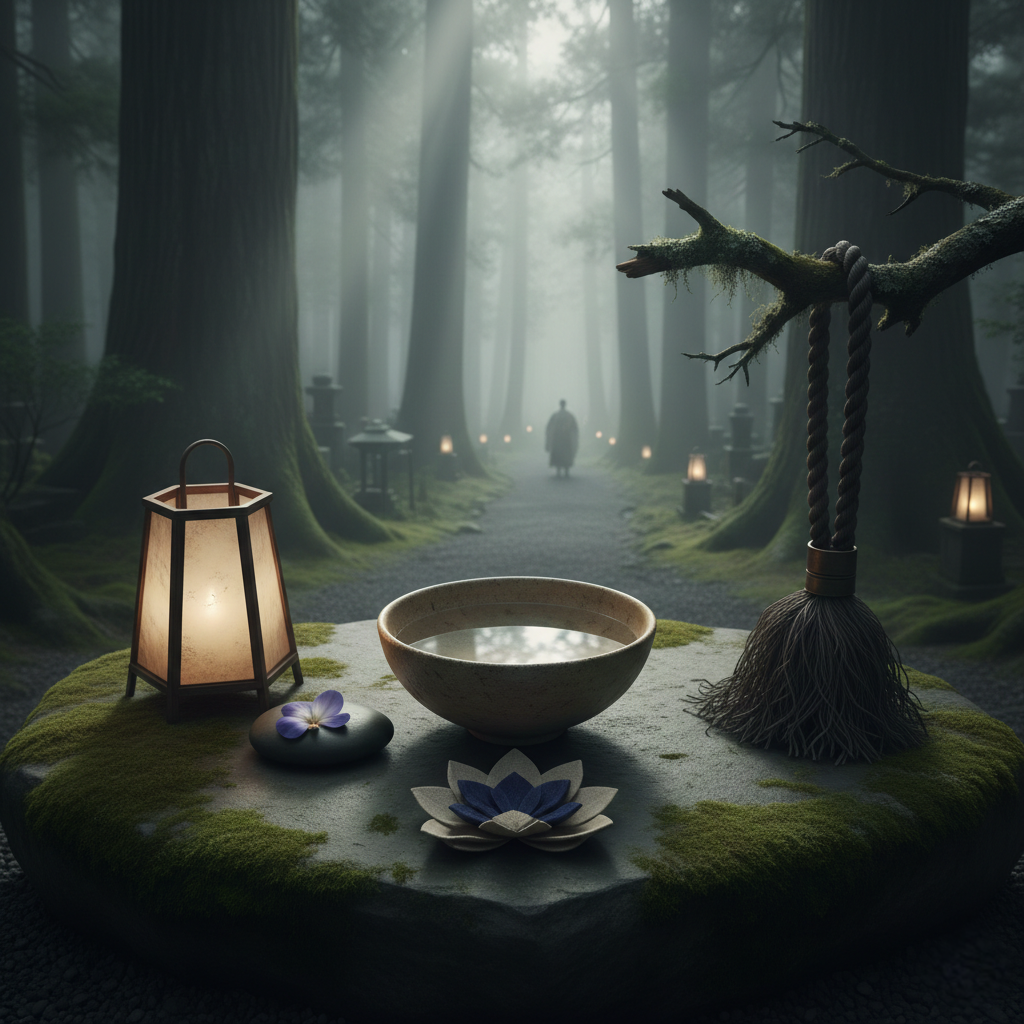
We will explore three sacred sites on Mount Koyasan:
- To understand Mount Koyasan, it is essential to know its three spiritual elements:
- First: Konjubuji Temple: This temple is known as the administrative heart and was founded in 1593 by Toyotomi Hideyoshi. Its significance lies in being the headquarters of the Shingon Buddhist sect. It also includes the Banri Garden, the largest rock garden in Japan, featuring a depiction of a dragon emerging from the clouds. Important guidelines for visiting: remove your shoes before entering, and photography is permitted only in the garden, away from the prayer halls and ritual areas.
- Second: Okunoin Temple: This is the holiest site in Japan and contains a sacred path that stretches for two kilometers through cemeteries, leading to the Kokai Shrine. Its significance lies in the fact that this temple contains over 200,000 graves, including that of Oda Nobunaga. It also houses memorials to major companies such as Toyota and Sony, and the Torodo Hall, which contains over 10,000 stone lanterns lit since the 12th century. The prevailing belief among the locals is that Kokai is not dead but rather in a state of perpetual meditation, awaiting the return of Maitreya Buddha. Important guidelines for visiting: When visiting, walk on the left side, as the right side is reserved for monks who provide food. Photography of the shrine is prohibited as it is a sacred place where people pray.
- Third: Dango Garan Temple: It is called the essence of rituals and includes a group of Buddhist temples, a main hall, and a bell tower. Regarding its importance, it includes the Konpon Daito Temple, which symbolizes the universe according to Shingon cosmology. The morning fire rituals in Goma are also held there, where the public ceremony begins at ten o’clock in the morning, and offerings are made to burn bad karma. We offer you important guidelines when visiting it, which are to remain silent and not to move away from the altars.
3. The Shukubō Experience: Staying in a Temple (2026 Guide)
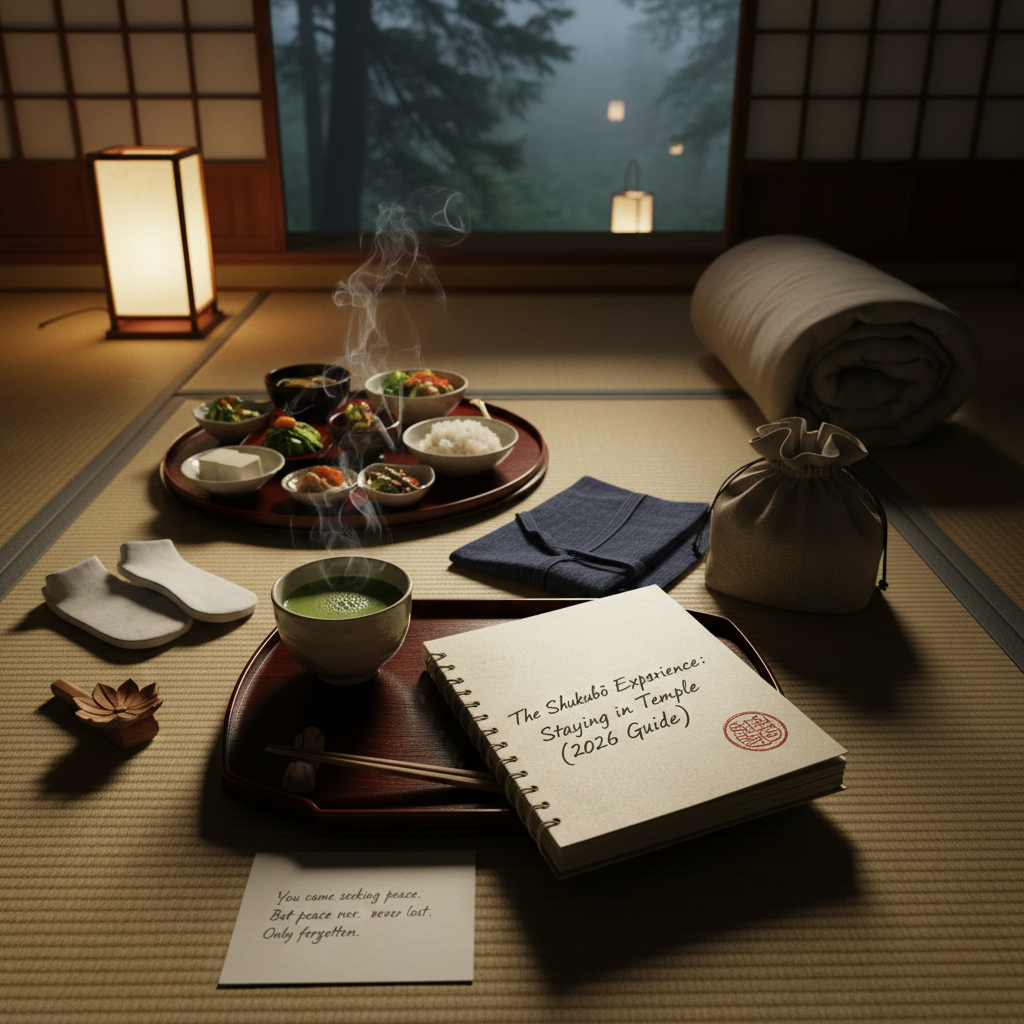
We will discuss the Shokubo experience, or temple accommodation:
- The mountain offers its temple hostels a complete spiritual experience that allows you to delve into the depths of spirituality. This experience is known as Shokubo, and we will provide you with more details:
- First: Regarding accommodation, the rooms are simple, consisting of tatami mats on the floor and futon mattresses for sleeping. There are shared bathrooms, and some rooms have private bathrooms.
- Second: Regarding food, Shojin Ryori is served. It is entirely vegetarian, prepared by the temples, and is characterized by its freshness and profound meanings, thanks to recipes developed over centuries.
- Third: Regarding rituals and prayers, the morning prayer, a chanting ceremony, takes place at the temple around 6:00 AM, and participation is welcome. Evening sessions, called meditation sessions, are also held.
- Fourth: In terms of the temples where this experience takes place, such as the Eko-in Temple, where memorial prayers are held, and the goal is to help people understand the nature of transient life. Participation in these prayers is possible, in addition to the opportunity to participate in the lantern lighting ceremony in the Okonwen Temple located within it.
Booking: Reserve via KOYASAN Shukubo Association | Official Koyasan Temple Lodging & Sightseeing Guide—direct bookings support temple sustainability.
This immersive stay is the soul of Mount Kōyasan Japan 2026.
4. A Perfect 2-Day Itinerary: Your Mount Koyasan, Japan 2026 Pilgrimage

Day 1: Arrival & Sacred Immersion
- Morning: The tour begins at Gokurakubashi Station by boarding the Nankai Cable Car to Koyasan in the morning.
- Afternoon: The place of interest in the afternoon is KongObuji Temple and Banryutei Garden.
- Evening: Tourists are checked into the hostel known for their experience shukubo (temple lodging) in the evening, and they are served a vegetarian meal (shojin ryori) as their dinner.
- Night: There is an available guided nocturnal walk at Okunoin, which is an emotionally intense trek under the lantern light.
Day 2: Ritual & Reflection
- The morning prayer takes place at 6:00 AM, but only when guests are allowed to attend.
- The Danjo Garan Complex and Goma Fire Ritual are held at 8:00 AM.
- At 10:00 AM, individuals will be walking through the Okunoin Cemetery, commencing at Ichinohashi Bridge and terminating at Torodo Hall.
- Shukubo or Cafe Koya is where vegetarians are served their lunch at 1:00 PM.
- In the afternoon, an option of either visiting the museum or hiking one of the Kumano Kodo trails.
This rhythm—arrival, immersion, ritual, reflection—honors the pilgrim’s path of Mount Kōyasan Japan 2026.
5. Beyond the Main Sites: Hidden Spiritual Gems

A. Fudō-dō Hall – The Fire Deity’s Sanctuary
- What It Is: Tiny hall consecrated to Fudō Myōō (immovable wisdom)
- Reasons to Go:
- Monks provide daily fire offerings
- Less known, very quiet
- Location: Close to Danjō Garan- check with the monks
B. Kōya-san Museum of the Sacred Treasures
- What is it: It is a museum that includes 20,000+ Calligraphy of Kūkai, Heian-age sutras, ritual items
- 2026 Highlight: Electronic database of mandalas with AR explanation
- Tip: Go after 3 p.m.- smaller crowds
C. Kōyasan Pilgrimage Trails
- Old Kōyasan Kaidō: 23-km walk out of Jison-in Temple (a women’s pilgrimage path)
- Kumano Kodo Nakahechi: The trail of UNESCO–Kōyasan to Kumano Sanzan
These experiences deepen your Mount Kōyasan Japan 2026 journey beyond the obvious.
6. Practical Guidance: How to prepare and arrive

A. Getting There
- The Nankai train will take you to Gokurakubashi in one and a half hours from Osaka.
- You can get to the Kōyasan summit by Cable Car, which only takes a 5-minute ride.
- You will require 2.5 hours when traveling by train and cable car from Kyoto.
B. What to Pack
- Wear layers, Modest in the morning and evening as it gets cool.
- Wear light shoes to make your movements easier inside the temples.
- You should carry a power bank because there are not many outlets in the temples.
Preparation ensures a smooth Mount Kōyasan Japan 2026 pilgrimage.
7. Cultural & Spiritual Etiquette: Travel with Reverence
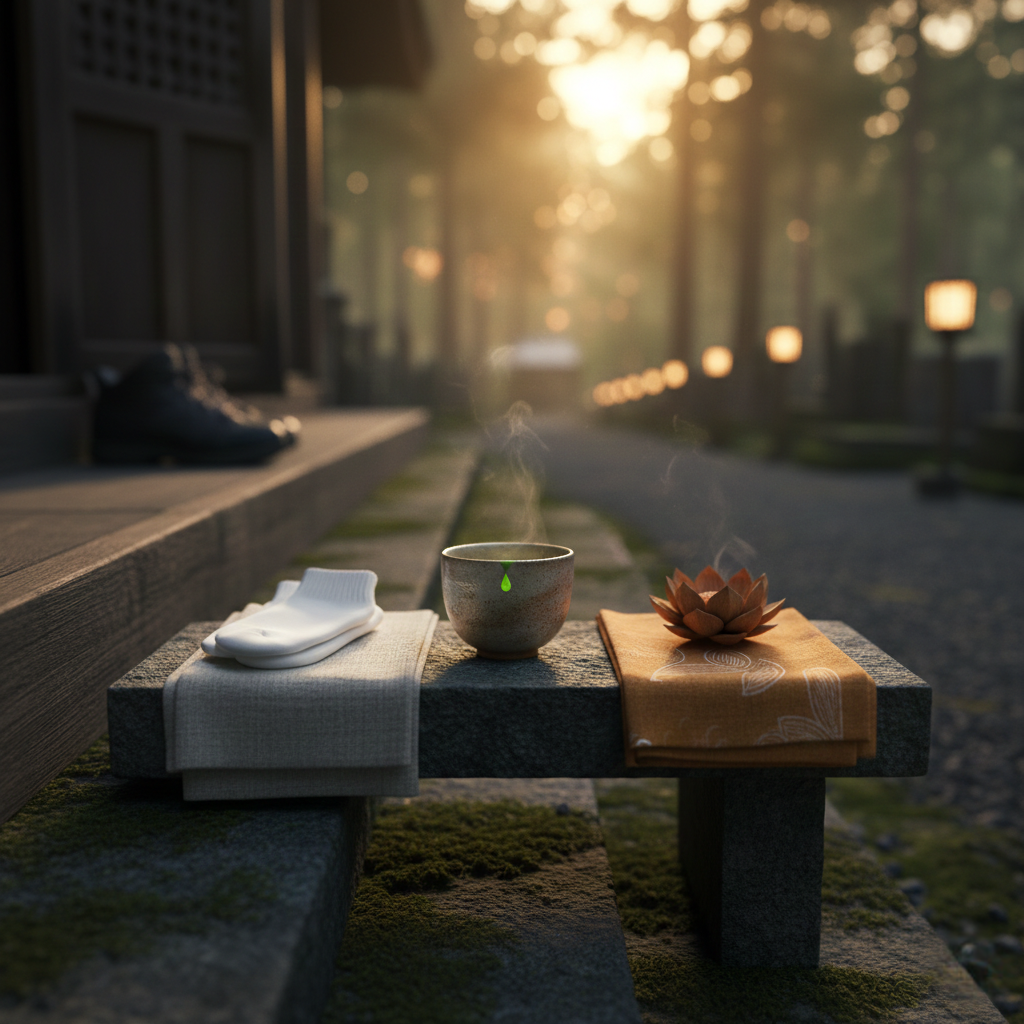
Mount Kōyasan, Japan, is a living sacred space—not a tourist attraction. Honor it with:
- Silence: The Okunoin and temple halls are areas where you should keep quiet.
- Photography:
- Photo taking is permitted in the gardens and on the public paths.
- Shooting during the performance of rituals, in Kūkai’s mausoleum, and inside prayer halls is prohibited.
- Dress: Your shoulders and knees should be covered; thus, it is forbidden to wear shorts and tank tops.
- Behavior:
- When entering the temple buildings, remove shoes
- Do not touch the tombstones
- show a little bow when passing a monk.
“In Kōyasan, you are not a visitor—you are a guest of the Dharma.”
— Rev. Tetsuo Yamashita, Kōyasan Shingon Sect, 2025
This mindfulness is essential to Mount Kōyasan Japan 2026.
8. When to Visit Mount Kōyasan Japan 2026
| Season | Pros | Cons |
| April–May | Mild temps (15–22°C), cherry blossoms, clear skies | Slightly higher prices |
| September–October | Autumn colors, fewer crowds, stable weather | Occasional rain |
| June–August | Lush greenery, summer festivals | Humid, rainy (typhoon season) |
| Avoid: December–February | Snowy, serene, spiritual atmosphere | Cold (0–5°C), some facilities close |
Best Window: Late April or early October—ideal weather, cultural energy, manageable crowds.
Timing your visit aligns with Kōyasan’s natural and spiritual rhythms.
9. Ethical & Sustainable Travel in 2026
- Support Monastic Economy: It is recommended that you book the temple directly, not via third-party agents, in order to assist the monks
- Plastic-Free: The water of the temple is potable; carry a reusable bottle.
- Leave No Trace: Stay on the paths and do not pick flowers in the forest.
- Respect Rituals: Do not stop chanting or fire.
2026 Initiative: “Green Kōyasan”—solar-powered temple lodges and composting toilets.
Your presence can sustain, not strain, this sacred place.
10. Common Mistakes to Avoid
- Wrong: Okunoin best enjoyed midday → Right: The best time to experience Okunoin is either in the dawn or at dusk, when the air is still fresher, and the place is less full of people.
- Wrong: Colorful clothes → Right: Select neutral and subdued colors.
- Wrong: Do not stay in a temple lodgings →Right: The hotels do not provide any spiritual background.
- Wrong: Consider it a walking trip→ Right: This is a holy journey, but not a walk.
Respect prevents disruption in Mount Kōyasan Japan 2026.
11. The Future: What’s New in 2026–2027
- Digital Pilgrimage Platform: Koyasan AR app reveals historical areas in the camera view.
- Women’s Pilgrimage Revival: Jison-in Temple is now easier to access.
- Eco Transport: Electric shuttle buses planned for the Kōyasan area by 2027.
- Monastic Exchange: Short-term monk-for-a-week programs for serious seekers
Kōyasan’s future is rooted in tradition, open to sincere seekers—a promise of Mount Kōyasan Japan 2026.
12. Final Reflection: The Mountain That Awakens
Mount Koyasan, Japan, 2026, is not about getting to a peak; it is about falling into silence. In the scent of cedar incense and the sound of wooden fish drums, you realize that awakening is not a place to get to. Walking is how to do it.
So go. Humility is the way to go. Walk with an open heart. And allow Mount Koyasan, Japan as a silent invitation to presence and not as a checklist to make you realize that the most important journey is one internal.
Trusted Resources (2026)
Kōyasan Shingon Sect – Official Site:
https://www.shingonbuddhism.org
Kōyasan Tourist Association:
Koyasan Shingon Temples: Welcome
Japan National Tourism Organization – Kōyasan Guide:
https://www.japan.travel/en/destinations/kansai/wakayama/koyasan
UNESCO – Sacred Sites and Pilgrimage Routes:
https://whc.unesco.org/en/list/1243
Kumano Kodo Travel – Pilgrimage Trails:
Follow us on:
Articles that might interest you :
Paris to Loire Cycling 2026: A Journey of Moving Meditation Through France’s Timeless Countryside.
Table Mountain South Africa 2026: Climbing the Icon of Silence, Strength & Inspiration.