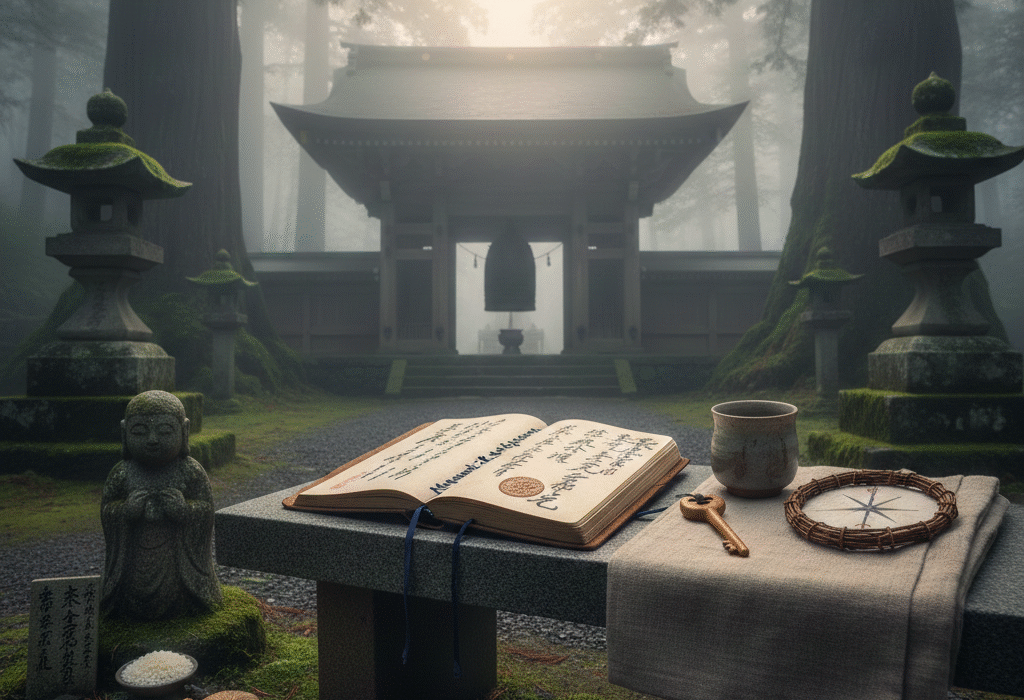
Mount Kōyasan Japan 2026: An Alternative Pilgrimage for True Spiritual Awakening.
Posted in :

Introduction: Where the Sacred Forest Meets the Modern Soul.
Wakayama Prefecture has foggy mountains where Mount Koyasan is situated, distant from the Tokyo neon lights and the numerous tourists in Kyoto. The location provides a meditation area where time slows down, silence is deafening, and individuals may experience their actual selves. The religious mountain was established in 816 CE by the well-known Buddhist monk named Kukai, also referred to as Kobo Daishi. Shingon Buddhism has its headquarters at Mount Koyasan, which has been running the operations for more than 1,200 years through the temples and sacred sites, and enlightenment practices.
However, in 2026, Mount Koyasan will become more than a spiritual site. It is a global sanctuary for the people who desire to be guided through the digital age that leaves them feeling isolated, distracted, and in need of a spiritual renewal that is real. Tourists have been tiring of the hollow wellness and perfunctory tourism, and Koyasan provides them with an experience to live in the now, discipline, and low-lying radical experience of something that has more profound roots.
This guide about Dr. Koyasan, Japan, 2026, is a morally correct, spiritually informed, and factually correct description of an ancient pilgrimage site. The report draws the 2025-2026 information from the Koyasan Shingon Sect, the Japanese National Tourism Organization, and the local monks, as well as the verified traveler experiences, and it does more than just sight seeing by shedding light on the rituals and the common practices that make Koyasan a life changing experience.
This guide is for a spiritual traveler, a cultural traveler, and a person who needs peace and silence. It makes your journey to Mount Koyasan, Japan, safe, and special.
1. Why Mount Kōyasan Japan 2026 Is a Beacon for Modern Pilgrims
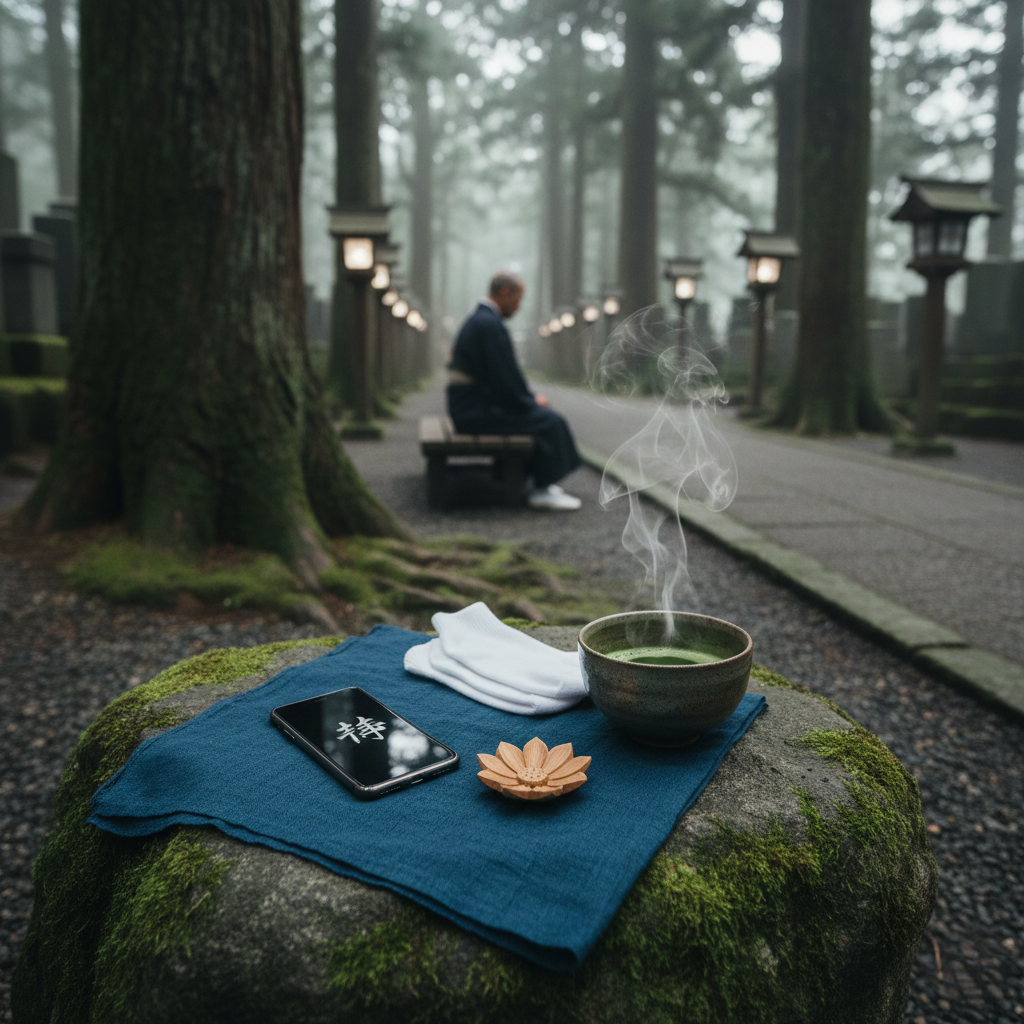
Mount Koyasan is one of the World Heritage Sites of Japan, and it is also a monastery. The Kyoto temples are known to be crowded and commercialized, but the Koyasan temples continue to follow the religious practices in the temples. There are over 100 temples in the area, and there are thousands of tombs (with samurai and emperors). The locals still practice the tradition that started around 1,200 years ago.
In 2016, Koyasan will implement certain changes to the temple as more people desire to experience spiritual travel:
- Digital Detox Emphasis: A temple lodging will be provided with minimal Wi-Fi access to promote digital detox and presence.
- Education of Visitors: There are multilingual guides who make people understand the rituals without offending the culture.
- Eco-friendly Pilgrimage: Green travel options and cutting down waste in holy spaces
Kōyasan is not a museum—it’s a mirror. What you seek, you find within.”
— Rev. Shōjun Takeda, Head Priest, Eko-in Temple, 2025
This commitment to authenticity makes Mount Kōyasan Japan 2026 a rare refuge for true seekers.
2. The Heart of Kōyasan: Three Sacred Sites
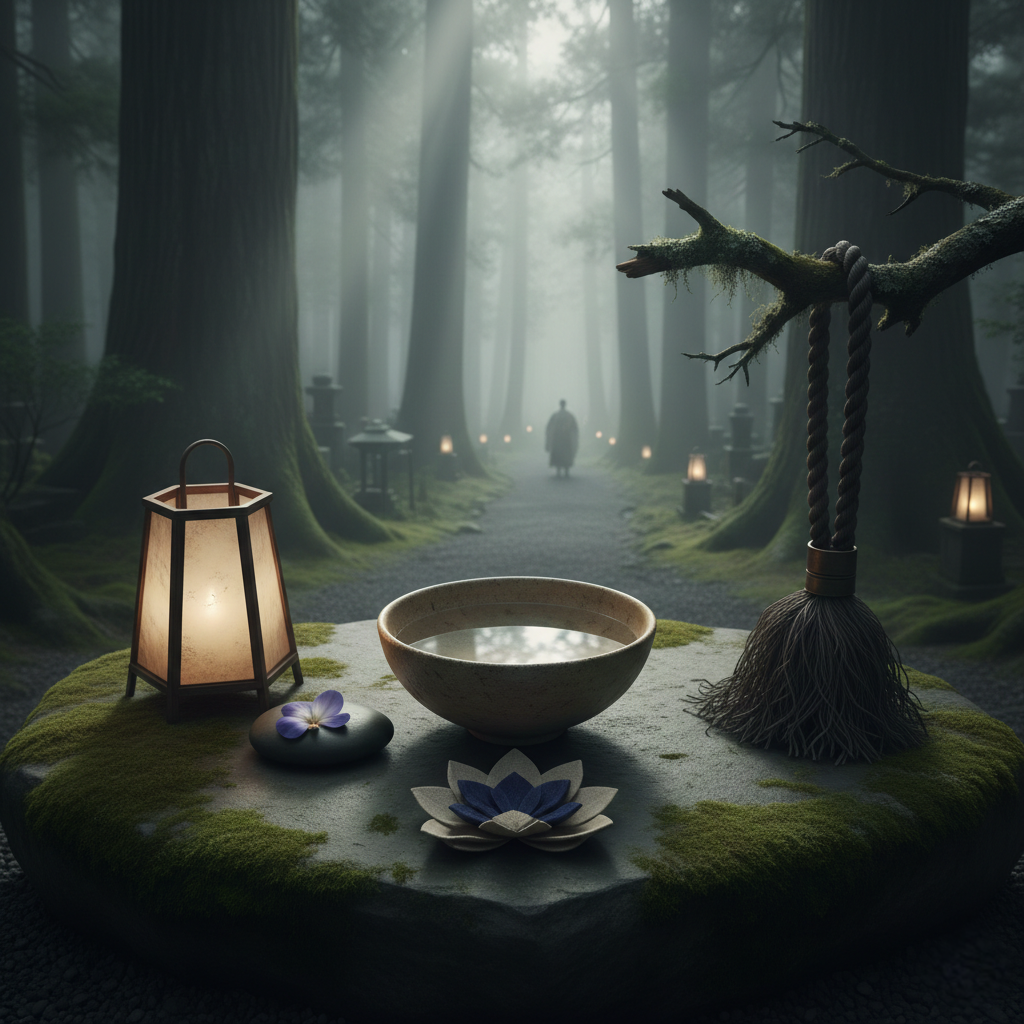
To understand Mount Kōyasan Japan, engage with its spiritual triad:
A. Kongōbu-ji – The Administrative Heart
- Founded: Toyotomi Hideyoshi established it in 1593.
- Why It Matters:
- The temple is the Shingon Buddhism headquarters.
- Banryutei Garden: is the largest rock garden in Japan. It depicts a dragon figure coming out of clouds.
- Visitor Protocol:
- Remove shoes before entering
- It is only permissible to take photos in the garden, but not in the prayer halls.
- Remove shoes before entering
B. Okunoin – The Holiest Site in Japan
- What It Is: This is the 2 km cemetery route to the tomb of Kukai.
- Why It’s Profound:
- Over 200,000 graves, such as that of Oda Nobunaga and business memorials such as Toyota and Sony.
- Torōdō Hall: Torodo Hall has more than 10,000 stone lanterns that have been burning since the 12th century.
- Kūkai’s belief: Kukai’s view is that he is not deceased. He’s in the state of perpetual meditation, waiting for Maitreya Buddha.
- Visitor Protocol:
- Rules to follow
- Walk on the left_hand side since the right-hand side is meant for monks with offerings of food.
- Do not photograph the tomb, since it is a holy place where people are praying at the time.
C. Danjō Garan – The Ritual Core
- What it is: a temple compound that contains a pagoda, a main hall, and a bell tower.
- Why Visit:
- Konpon Daitō Pagoda: is symbolic of the universe according to the Shingon cosmology.
- Goma Morning Fire Ritual: The public ceremony begins at 10am and dedicates offerings to burn bad karma.
- Etiquette: Stay silent and don’t walk away from altars.
- These sites form the spiritual spine of Mount Kōyasan Japan 2026.
3. The Shukubō Experience: Staying in a Temple (2026 Guide)
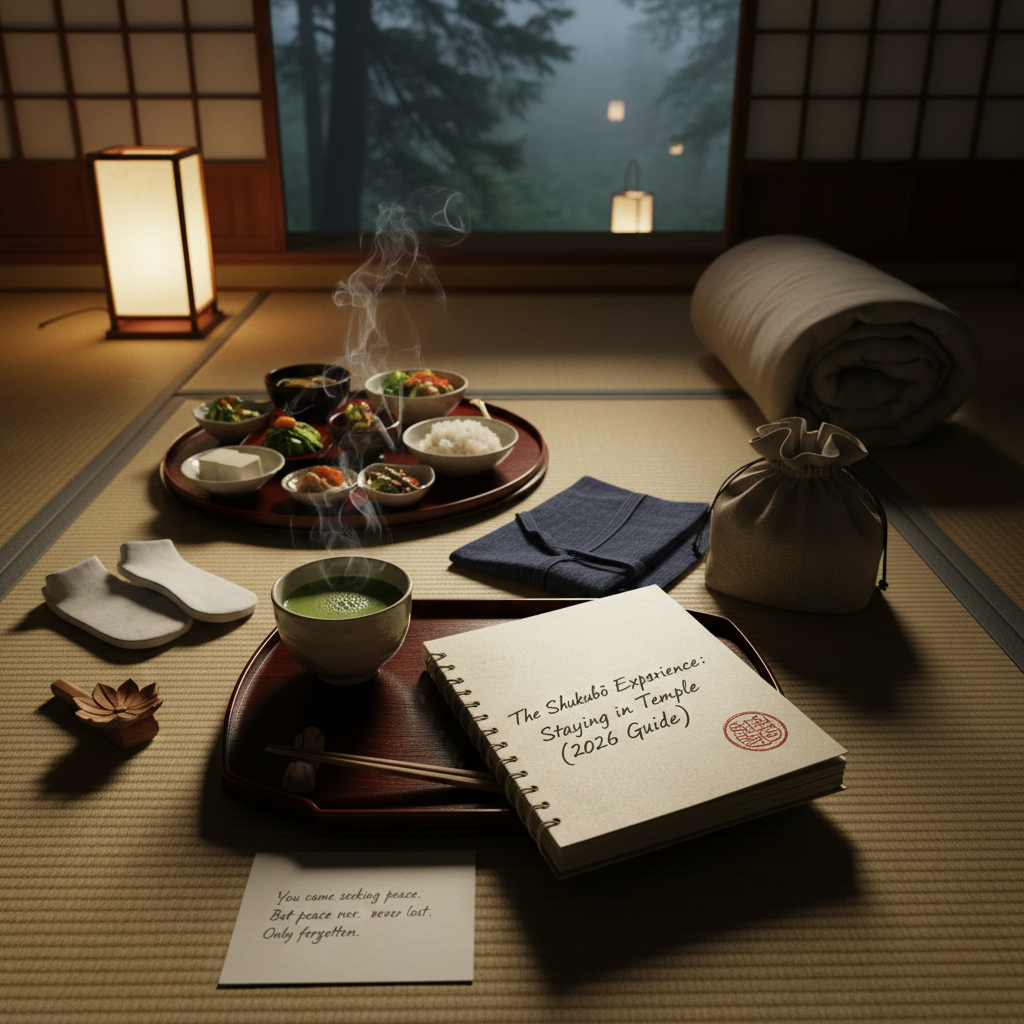
Mount Koyasan gives a complete spiritual package to visitors who stay at temple lodgings called shukubo. Staying in a shukubo gives you complete spiritual exposure.
- What to Expect:
- Unadorned Rooms: The rooms contain tatami flooring, and all have futon sleeping mats and shared bathrooms, although others have private ones.
- Shōjin Ryōri: This is an entirely vegetarian cooking prepared by the temples. It remains fresh with the season and has a deeper meaning with recipes that have been honed over centuries.
- Morning Prayer: The guest can join in a temple chanting ceremony that starts at 6 a.m.
- Evening Meditation: Concentration practice with direction is provided in selected temples.
- Leading Shukubo in 2026:
- Eko-in Temple
- Why: The temple has been memorial service_based and concentrates on assisting individuals in understanding the ephemeral nature of life.
- Distinctive: Guests have an opportunity to engage in a lantern lighting ceremony at Okunoin.
- Ryukoin Temple
- Your Why: You get garden scenes, individual bathrooms, and English-speaking monks.
- Food: It is known or popular in sesame tofu (goma-dofu).
- Fudoon Temple
- Why: It is affordable and near the Okunoin entrance.
- Authentic: Little English_ significant cultural immersion.
Booking: Reserve via KOYASAN Shukubo Association | Official Koyasan Temple Lodging & Sightseeing Guide—direct bookings support temple sustainability.
This immersive stay is the soul of Mount Kōyasan Japan 2026.
4. A Perfect 2-Day Itinerary: Your Mount Kōyasan Japan 2026 Pilgrimage

Day 1: Arrival & Sacred Immersion
- Morning: The tour begins at Gokurakubashi Station by boarding the Nankai Cable Car to Koyasan in the morning.
- Afternoon: The place of interest in the afternoon is KongObuji Temple and Banryutei Garden.
- Evening: Tourists are checked into shukubo (temple lodging) in the evening, and they are served a vegetarian meal (shojin ryori) as their dinner.
- Night: There is an available guided nocturnal walk at Okunoin, which is an emotionally intense trek under the lantern light.
Day 2: Ritual & Reflection
- The morning prayer takes place at 6:00 AM, but only when guests are allowed to attend.
- The Danjo Garan Complex and Goma Fire Ritual are held at 8:00 AM.
- At 10:00 AM, individuals will be walking through the Okunoin Cemetery, commencing at Ichinohashi Bridge and terminating at Torodo Hall.
- Shukubo or Cafe Koya is where vegetarians are served their lunch at 1:00 PM.
- In the afternoon, they have an option of either visiting the museum or hiking one of the Kumano Kodo trails.
- The pesky insect is removed by cable car in the evening.
This rhythm—arrival, immersion, ritual, reflection—honors the pilgrim’s path of Mount Kōyasan Japan 2026.
5. Beyond the Main Sites: Hidden Spiritual Gems

A. Fudō-dō Hall – The Fire Deity’s Sanctuary
- What It Is: Tiny hall consecrated to Fudō Myōō (immovable wisdom)
- Reasons to Go:
- Monks provide daily fire offerings
- Less known, very quiet
- Location: Close to Danjō Garan- check with the monks
B. Kōya-san Museum of the Sacred Treasures
- Collection: 20,000+ items-Calligraphy of Kūkai, Heian-age sutras, ritual items
- 2026 Highlight: Electronic database of mandalas with AR explanation
- Tip: Go after 3 p.m.-smaller crowds
C. Kōyasan Pilgrimage Trails
- Old Kōyasan Kaidō: 23-km walk out of Jison-in Temple (a women’s pilgrimage path)
- Kumano Kodo Nakahechi: The trail of UNESCO–Kōyasan to Kumano Sanzan
- 2026 Innovation: Pilgrimage Passport—stamp stations along routes (kumano-travel.com)
These experiences deepen your Mount Kōyasan Japan 2026 journey beyond the obvious.
6. Practical Guidance: How to Prepare for 2026

A. Getting There
- The Nankai train will take you to Gokurakubashi in one and a half hours from Osaka.
- You can get to the Kōyasan summit by Cable Car, which only takes a 5-minute ride.
- You will require 2.5 hours when traveling by train and cable car from Kyoto.
- The Kansai region can be seen using the Nankai Pass, and national commuting is by the Japanese Rail Pass in 2026.
B. What to Pack
- Wear layers, Modest in the morning and evening as it gets cool.
- Wear a slip-on shoes to simplify the entering of temples.
- Bring forth petty change or rice at the altars.
- Prayer beads (juzu) are also an honorable alternative.
- You should carry a power bank because there are not many outlets in the temples.
C. Costs (2026)
- Staying at Shukubō costs between ¥12,000 and ¥20,000 per night and offers two meals and a night’s rest.
- You will be charged ¥940 as a round trip on the Cable Car.
- First-time travelers are also advised to take the guided tours, which will cost them between ¥3,000 and ¥5,000.
- Donations can range from around ¥500 to ¥1,000 at Okunoin or other temples. Giving isn’t required,
Preparation ensures a smooth Mount Kōyasan Japan 2026 pilgrimage.
7. Cultural & Spiritual Etiquette: Travel with Reverence
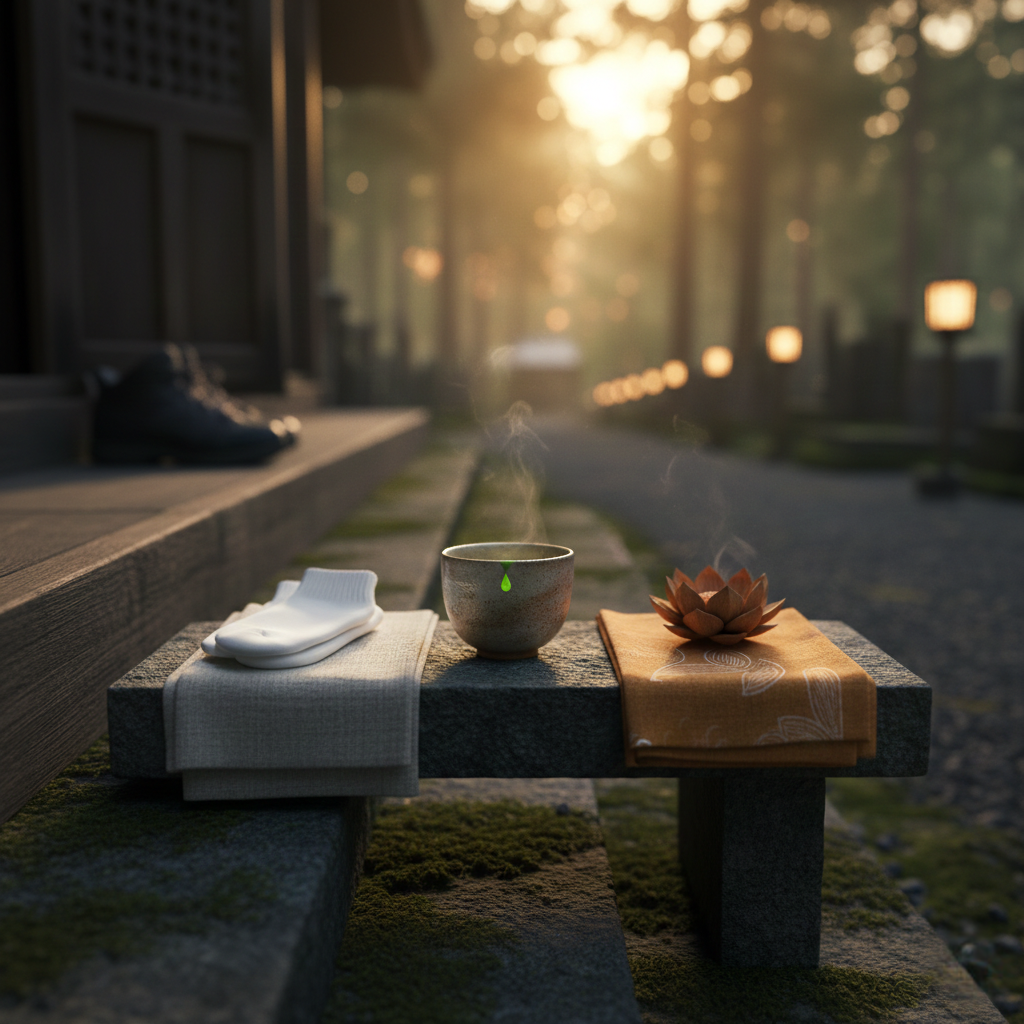
Mount Kōyasan Japan is a living sacred space—not a tourist attraction. Honor it with:
- Silence: The Okunoin and temple halls are areas where you should keep quiet.
- Photography:
- Photo taking is permitted in the gardens and on the public paths.
- Shooting during the performing of rituals, in Kūkai’s mausoleum and inside prayer halls is prohibited.
- Dress: Your shoulders and knees should be covered, thus, it is forbidden to wear shorts and tank tops.
- Behavior:
- When entering the temple buildings, remove shoes
- do not touch the tombstones
- show a little bow when passing a monk.
“In Kōyasan, you are not a visitor—you are a guest of the Dharma.”
— Rev. Tetsuo Yamashita, Kōyasan Shingon Sect, 2025
This mindfulness is essential to Mount Kōyasan Japan 2026.
8. When to Visit Mount Kōyasan Japan 2026
| Season | Pros | Cons |
| April–May | Mild temps (15–22°C), cherry blossoms, clear skies | Slightly higher prices |
| September–October | Autumn colors, fewer crowds, stable weather | Occasional rain |
| June–August | Lush greenery, summer festivals | Humid, rainy (typhoon season) |
| Avoid: December–February | Snowy, serene, spiritual atmosphere | Cold (0–5°C), some facilities close |
Best Window: Late April or early October—ideal weather, cultural energy, manageable crowds.
Timing your visit aligns with Kōyasan’s natural and spiritual rhythms.
9. Ethical & Sustainable Travel in 2026
- Support Monastic Economy: It is recommended that you book the temple directly, not via third party agents, in order to assist the monks
- Plastic-Free: The water of the temple is potable, carry a reusable bottle.
- Leave No Trace: Stay on the paths and do not pick flowers in the forest.
- Respect Rituals: Do not stop chanting or fire.
2026 Initiative: “Green Kōyasan”—solar-powered temple lodges and composting toilets.
Your presence can sustain, not strain, this sacred place.
10. Common Mistakes to Avoid
- Okunoin best enjoyed midday → The best time to experience Okunoin is either in the dawn or at dusk, when the air is stillfresher, and the place is less full of people.
- Colorful clothes → Select neutral and subdued colors.
- Do not stay in a temple lodgings → The hotels do not provide any spiritual background.
- You are too late→ Reserve several months in advance; the temples are very fast in filling up.
- Consider it a walking trip→ This is a holy journey, but not a walk.
Respect prevents disruption in Mount Kōyasan Japan 2026.
11. The Future: What’s New in 2026–2027
- Digital Pilgrimage Platform: Koyasan AR app reveals historical areas in the camera view.
- Women’s Pilgrimage Revival: Jison-in Temple (traditionally the end of the women’s pilgrimage route) is now easier to access.
- Eco Transport: Electric shuttle buses planned for the Kōyasan area by 2027.
- Monastic Exchange: Short-term monk-for-a-week programs for serious seekers
Kōyasan’s future is rooted in tradition, open to sincere seekers—a promise of Mount Kōyasan Japan 2026.
12. Final Reflection: The Mountain That Awakens
Mount Koyasan, Japan, 2026, is not about getting to a peak; it is about falling into silence. In the scent of cedar incense and the sound of wooden fish drums, you realize that awakening is not a place to get to. Walking is how to do it.
So go. Humility is the way to go. Walk with an open heart. And allow Mount Koyasan, Japan as a silent invitation to presence and not as a checklist to make you realize that the most important journey is one internal.
Trusted Resources (2026)
Kōyasan Shingon Sect – Official Site:
https://www.shingonbuddhism.org
Kōyasan Tourist Association:
Koyasan Shingon Temples: Welcome
Japan National Tourism Organization – Kōyasan Guide:
https://www.japan.travel/en/destinations/kansai/wakayama/koyasan
UNESCO – Sacred Sites and Pilgrimage Routes:
https://whc.unesco.org/en/list/1243
Kumano Kodo Travel – Pilgrimage Trails:
Follow us on:
Articles that might interest you :
Georgia Travel 2026: Unconventional Adventures from Tbilisi to Batumi—No Visa, No Red Tape
Siwa Oasis Diving 2026: Explore Egypt’s Desert Caves & Rare Blue Waters Safely.